BOTSWANA CONSERVATION
The Royal Sacrifice:
A History Of Chief’s Island
The profound indigenous heritage behind the Okavango
Delta’s most exclusive wildlife sanctuary.
A History of Chief’s Island: Beyond the Luxury Facade.
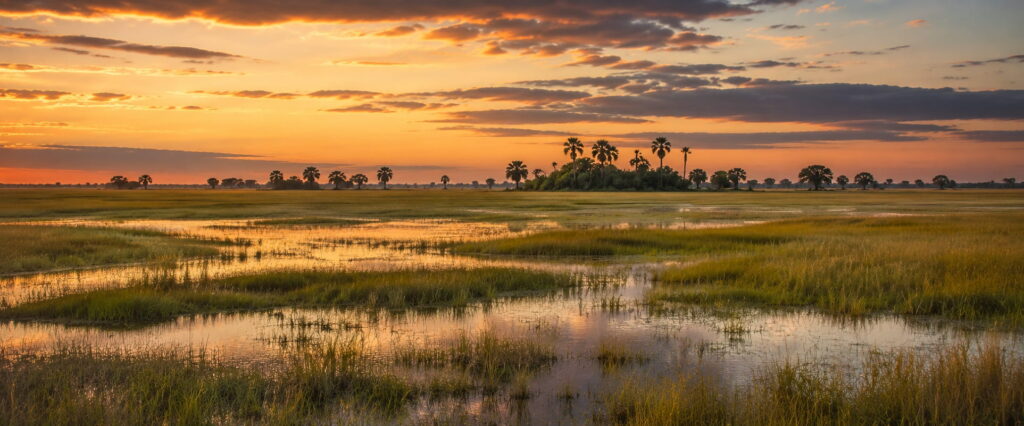
From my desk in Scotland, looking across the promotional imagery of the Okavango Delta, it is easy to be seduced by a very specific version of African luxury. We are shown flawless canvas pavilions, pristine private concessions, and a density of wildlife that seems almost scripted. But true luxury in the Bushveld requires a willingness to look past the contemporary gloss and ask a fundamental question: Why does this Wilderness still exist? What follows on this page is my easy summary of the history of Chief’s Island that will intrigue every potential visitor.
1. A Wilderness Under Threat:
When Wildlife Was Disappearing
The eastern parts of the Okavango Delta were in a difficult position by the late 1950s and early 1960s. After the war, many commercial hunting groups began arriving in Botswana, killing animals at an alarming rate. These hunters had modern guns and specialised vehicles that could navigate the rough terrain, making it easy for them to reach the animals. At the same time, more and more cattle were being brought into the area, leading to overgrazing and land fragmentation. This was a major problem for the delicate ecosystem of the floodplains. The combination of these two factors – overhunting and overgrazing – was placing the entire wildlife population at risk of disappearing forever.
In the Okavango, however, resistance arose directly from the heart of the soil. It was driven by the indigenous Batawana tribe, who watched the destruction of their natural heritage and chose to take a stand.

THE CHALLENGE:
Protect the wildlife before it is too late.
2. The Vision of the Widow Regent:
A Decision Made At The Kgotla
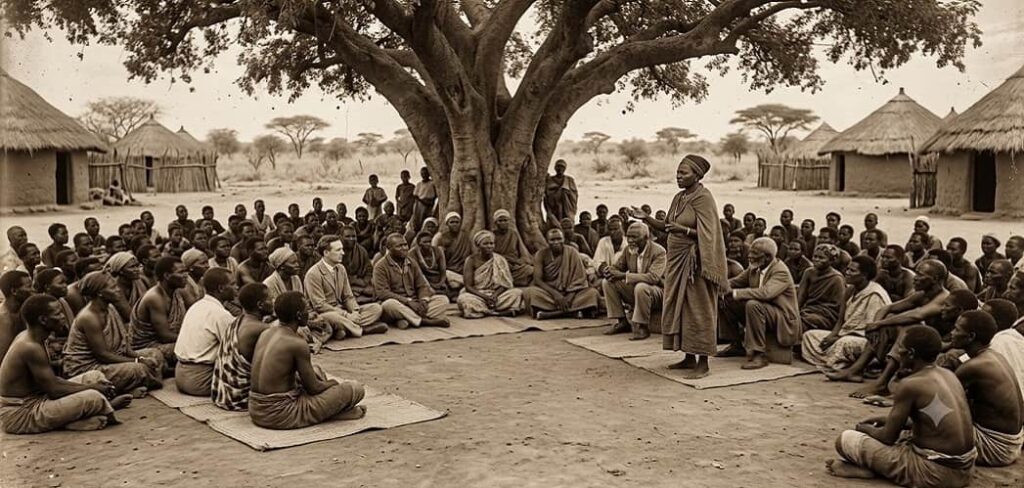
Regent Elizabeth Pulane Moremi sparked a movement that would change everything. After her husband, Chief Moremi III, passed away, she took charge and led the Batawana people. What drove her to action was the relentless slaughter of the region’s wildlife. She knew something had to be done, so she called a traditional kgotla, a community gathering where every member of the tribe has a say.
A major decision was made, one that would change everything. The Batawana community came together and chose to preserve the land rather than use it for quick profits. It was a bold move, showing that the community was thinking about long-term benefits rather than just immediate rewards.
In March 1963, the Moremi Game Reserve was officially established. This reserve was named after a respected leader who had passed away, and it is the first wildlife sanctuary in Southern Africa created and managed by the local community.

THE CHOICE:
Conservation over immediate profit.
3. The Royal Sacrifice
A Legacy For Future Generations
The reserve began in a dry area known as the Mopane Tongue, but it wasn’t until 1976 that a major change occurred. That’s when the Delta was reshaped into what it is today. This move, a decade after the reserve’s establishment, was a game-changer for the area’s geography.
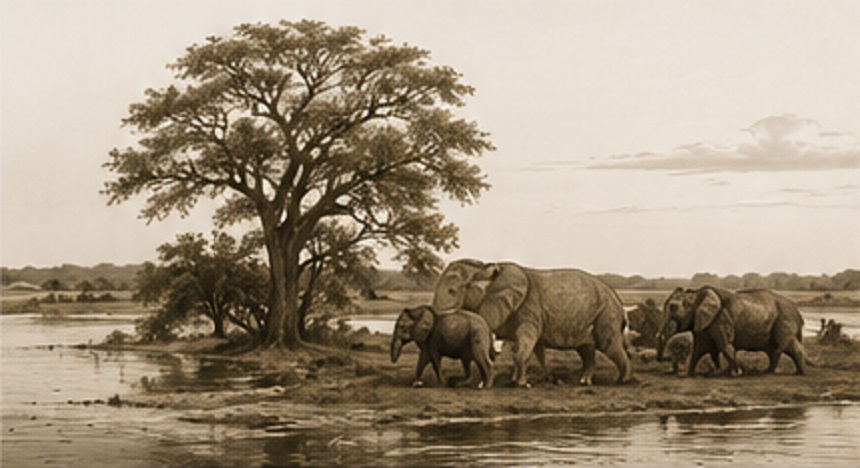
The history of Chief’s Island is truly special. It formed long ago, when the Earth’s crust was moving and changing. Now it’s like a big hill that sticks out of the water. Every year, floods from Angola arrive, and the island is the first place where the water can’t go any further, making the soil super fertile and perfect for vegetation for animals to feed on.
Historically, this island was the exclusive royal hunting ground of the Batawana Chiefs. It was their personal domain, a symbol of their royal sovereignty and wealth.
As the modern world began to have a significant impact, the royal family and the Batawana tribe realised that the animals needed a safe, permanent place to go during the floods. So they made a generous decision to give up Chief’s Island, and it became part of the Moremi Game Reserve.
The Curator’s Perspective
Sitting on Mombo Camp’s deck or navigating Chief’s Island’s channels, you’re in a place shaped by a 1960s royal decree with lasting effects. The island’s rich history feels like being part of a story from decades ago.
Wildlife remains abundant here, thanks to African royalty who prioritised preserving the land over personal gain. The true history of the Okavango Delta belongs to the Batswana, who protected their homeland amid threats, maintaining its unique nature. Their love for the land has kept the Delta a wildlife haven, and their legacy continues to impress visitors.
Reflecting on the history of Chief’s Island can transform your trip from just a holiday into an opportunity to connect with the land and people. True value lies not in luxury lodges but in respecting the environment and recognising the sacrifices that have preserved this natural wonder, making you part of something bigger.
Until the next Journey,

The Curator.