
A Guide to the Best Time for an African Safari
Following the Rhythms of the Land
“This guide is a bridge between my home in Scotland and my roots in Africa…. My memory remains rooted in rural KwaZulu-Natal and the Limpopo Bushveld.” – THE CURATOR.
Follow the Rhythm of the Land – The best time for an African Safari
Deciding when to visit Africa is all about aligning your trip with the continent’s natural rhythms. Whether you want to see the roaming herds in the East or explore the quieter spots in the South, timing matters if you want to experience the best of the land.
In the bushveld, time is marked by rains and drying pans rather than by clocks. Living in Scotland, I often think about the changing light in Limpopo in winter or the smell of the first storms in rural KwaZulu-Natal. These seasonal rhythms stay with me and shape how I remember the land.
When visitors decide to explore, they are selecting which side of the land they wish to experience. The dry season offers clear, sharp views, while the green season is full of life. As the year progresses, each period reveals its unique story, which together blend into a larger narrative shaped by these cycles.
The two “Pulses” of the Continent
Africa breathes in two different directions. In the East, the land is defined by a singular, nomadic journey, the endless circle of the Great Migration. In the South, the rhythm is dictated by the dramatic swing between the lush summer rains and the stark, clear winters of the bushveld. Recognising how these patterns unfold helps in understanding their impact. Grasping these two pulses is the key to finding the Africa you are seeking.
The Southern Pulse: The Seasonal Swing
Wildlife Viewing Peaks in the Bushveld
In Southern Africa, from the rugged Limpopo to the valleys of KwaZulu-Natal, the seasons are shaped by the changing sun and rain.
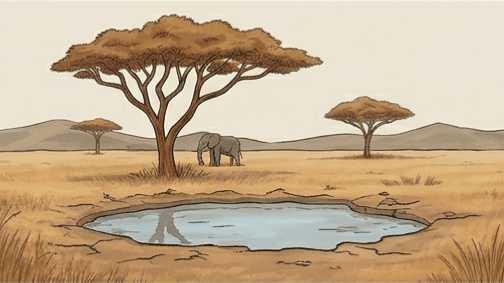
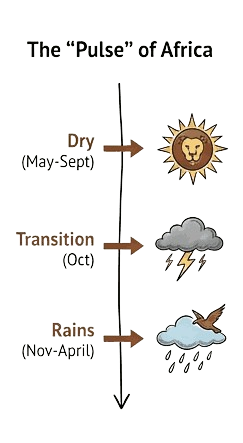
Dry Winter
The Dry Season (May – September).
This is when wildlife viewing peaks. As the winter sun thins the vegetation and the seasonal pans evaporate, the animals are drawn to permanent water sources.
For those seeking Big Five sightings, this is the gold standard. The air is crisp, the sky is a sharp, clear blue, and the drama of the wild is visible and unfiltered.
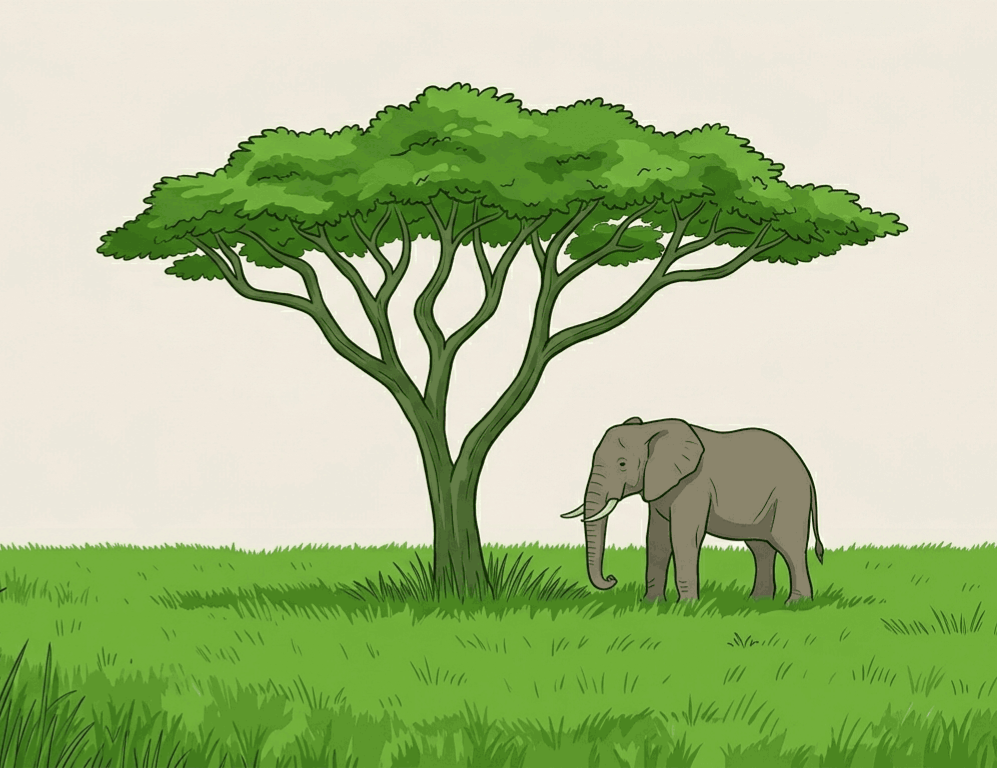
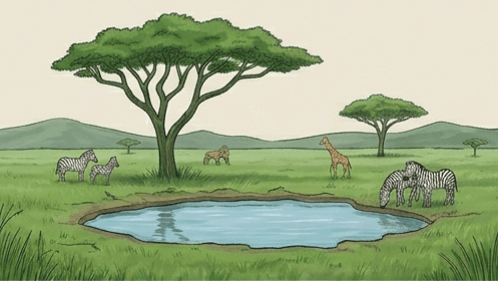
Wet Season
The Green Season (November – March) When the summer rains arrive, the landscape transforms into an emerald sanctuary. While the thicker foliage makes tracking more challenging, this is the season of abundance. It is the best time for birdwatching and witnessing the arrival of new life, making it a favourite for those seeking a more soulful, vibrant immersion.
Curator’s Note for Families: If you are travelling with young explorers, consider the malaria-free safari seasons in regions like the Madikwe or the Eastern Cape. These areas offer incredible game viewing without the medical concerns often associated with the tropical belts.
The Sky as a Seasonal Map
The night sky in Africa has its own pattern that many people miss. During the dry winter months, the Southern Cross and the Milky Way shine so brightly and hang so low they seem almost close enough to touch, guiding leopards as they move through the darkness. When the summer rains come, the air clears, and the sky becomes brighter in a new way. The stars stand out against the clear sky, sometimes competing with distant flashes of lightning. If you want to know the best time for a safari in Africa, remember to look up at the sky as much as you look out over the land.
The East African Pulse: The Great Migration
Tracking the Great Migration
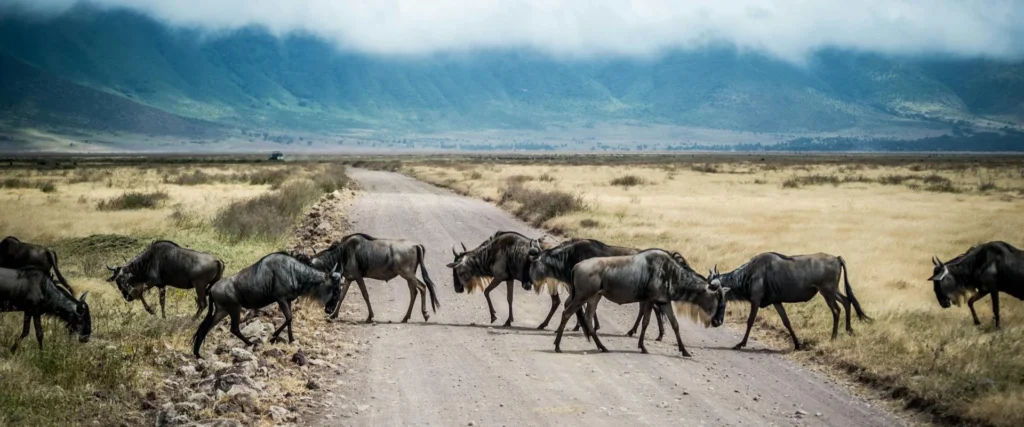
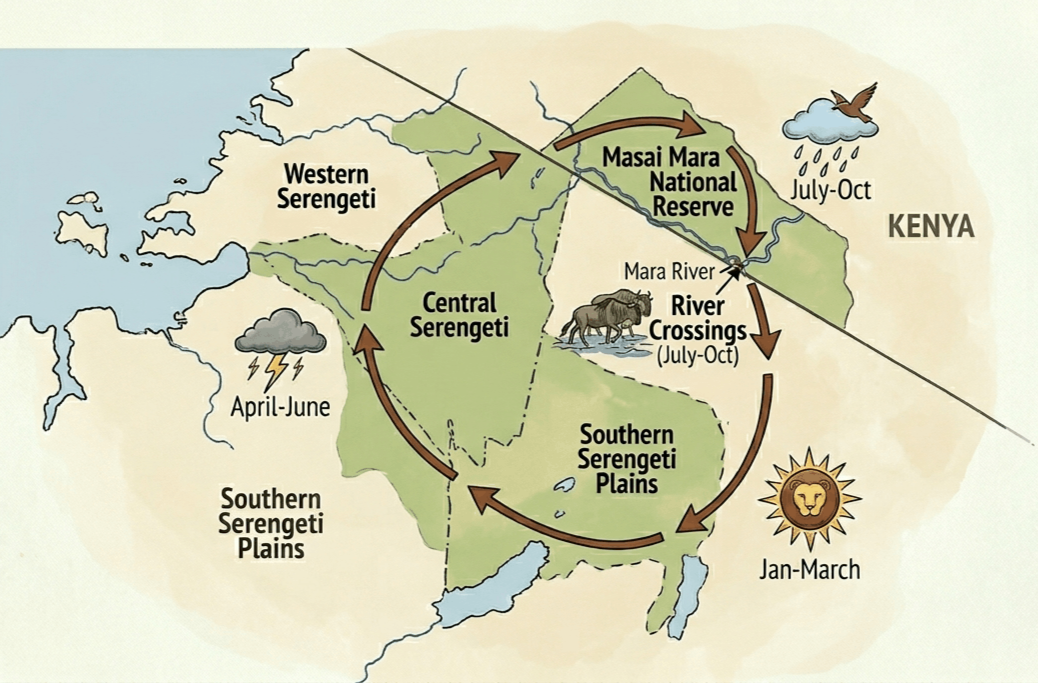
In East Africa, the rhythm is dictated not just by seasons, but by the relentless movement of over a million wildebeest and zebra.
Understanding the Rains: When planning an East African journey, one must respect the short rains vs the long rains. The ‘ long rains’ (April to May) bring heavy downpours that can turn the black cotton soil into a challenge for travel, while the ‘short rains’ (November) offer a brief, refreshing burst of life that often passes as quickly as it arrives.
East Africa’s ancient cycle
The Great Migration Cycle. The Calving (January – March): The herds gather on the short-grass plains of the Southern Serengeti, where thousands of calves are born. As the year advances, the herds gradually move northwest, following the rains in search of fresh grazing.
- The River Crossings (July – October): During this time, the herds move from Tanzania’s Serengeti into Kenya’s Masai Mara, facing dramatic, perilous river crossings as they seek greener pastures before returning south after the short rains.
The Value of the Shoulder Season Safari
For the discerning traveller, the shoulder season Safari (the weeks falling between the peak dry months and the heart of the rains) is often the best-kept secret. These transition periods—typically May, June, and October—offer a perfect balance for value seekers.
During these months, you can often enjoy:
Photographic Brilliance: A mix of dramatic storm clouds and dust-free air that provides the most evocative light for photography.
Reduced Rates: Many luxury lodges offer lower rates before the peak season begins.
Quiet Solitude: There are fewer vehicles at wildlife sightings, so you can connect more personally with nature.
Finding Your Moment for an African Safari
Whether you are watching the herds in the Serengeti or waiting quietly by a Limpopo waterhole, every place has its own story. I want to help you find the experience that feels right for you. The land is ready; together, we can find the best time for an African safari that fits your own rhythm.