
Introducing Children
to the Bush
The Lasting Power of Wilderness
Why Introduce Children to Bush
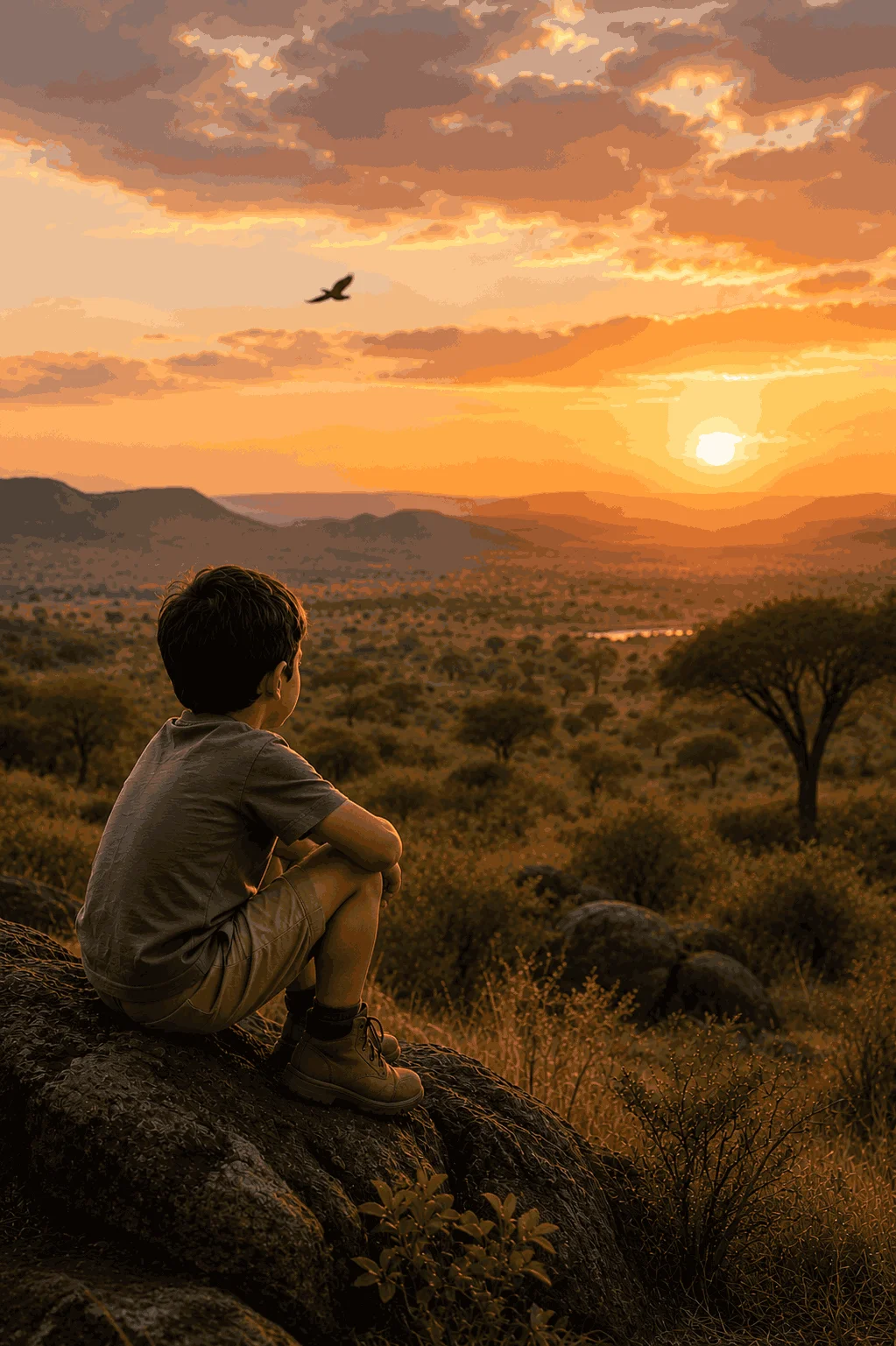
Some childhood memories fade, but others stay clear for years. These memories often tie us to certain places and shape how we feel.
That’s why introducing children to the Bush is an important event in a child’s life. One of my earliest memories is of the African Bush.
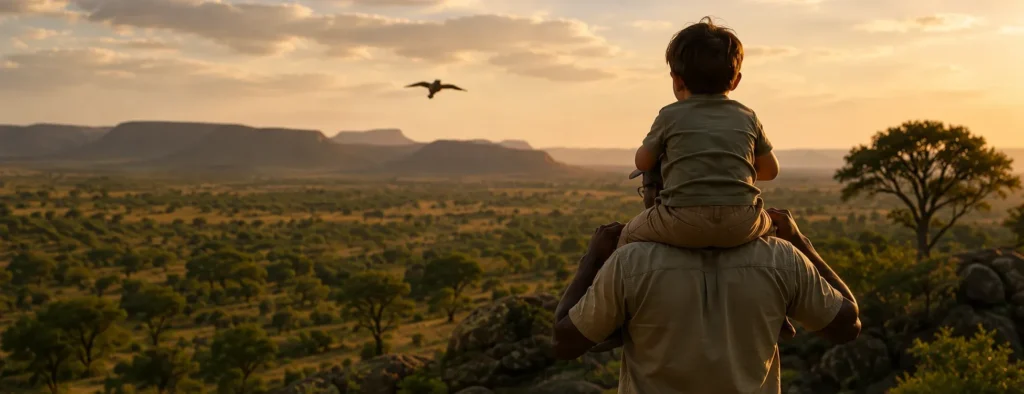
When I was about three, I rode on the shoulders of Jim, a North-Sotho man who worked with my father and felt at home in the wild. We walked through the Waterberg in Limpopo, moving slowly under the hot African sun.
I remember only bits and pieces, but I remember the feeling most of all.
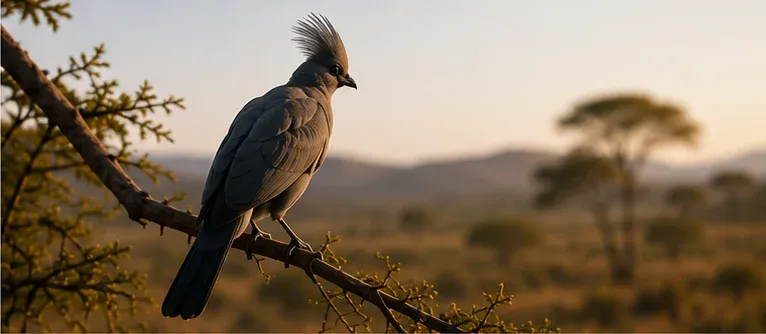
I remember the smell of dry grass warming in the morning and the rough bark of a tree under my hands. The land felt endless. It. Most of all, I remember the sharp cry of the Go-away bird breaking the quiet above us.
Jim stopped immediately.
Suddenly, everything around us changed. The birds fell silent. Any movement disappeared, slipped into the grass and thornveld. Animals that had been nearby just moments before were gone, leaving only stillness.
Even if I didn’t fully understand it, long before children know words like “ecology,” “conservation,” or “environment,” they can sense these ideas just by being there. The Bush teaches through its mood, what happens, it’s quiet, and by making you pay attention. Children learn these concepts instinctively through direct experience.
These early experiences stay with you and quietly shape what comes next.
Learning before Understanding
Children see the natural world differently from adults.
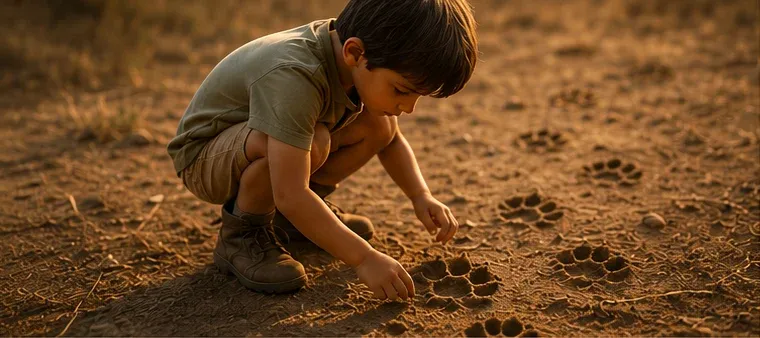
They don’t arrive with checklists or plans. Instead, they notice small things without effort. Insects cross the sand. Tracks appear in the dust. Wind moves through the long grass. Birds call overhead, and they jump.
Silence matters because noise makes animals hide. If you’re patient, you see more. Curiosity comes naturally. Children quickly learn that the wild moves at its own pace, not ours.
It follows its own rhythm, not ours.
Following animal tracks in the soft, damp earth is a fascinating way to discover new and intriguing aspects of the natural world around you. You begin to notice how cleverly animals hide by blending in perfectly with their surroundings, using camouflage to avoid detection. Even the simplest moments, such as watching ants diligently carry tiny leaves back to their nests or hearing the rhythmic chorus of cicadas at dusk, serve to deepen your awareness and appreciation of the vibrant, living world that thrives all around you.
The Bush is different from digital worlds. You can’t rush it or control what happens. There are no instant rewards or reset buttons. Children learn to pay attention simply by being there.
Learning through experience leaves a deeper mark than anything you get from books or screens.
The Bush Awakens Wonder
Maybe the greatest gift the wilderness offers a child is wonder.
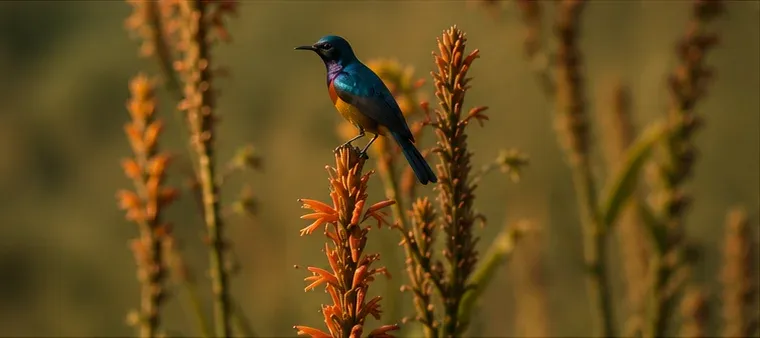
The African Bush is filled with small mysteries:
a chameleon moving silently through branches,
a dung beetle crossing a dusty road,
the distant call of a hyena after dark,
or lantern light flickering softly beyond a riverbed at dusk.
For children, these moments aren’t just ideas. They are real discoveries.
Making these discoveries helps children feel connected.
Today, most childhoods happen indoors, surrounded by screens and distractions. Modern childhood is increasingly shaped indoors, filtered through screens and constant distraction. The Bush, however, asks something entirely different. The Bush is very different from digital worlds. You can’t rush it or control what happens there. There are no instant rewards, no reset buttons, and no shortcuts. Instead, it offers a slow, natural rhythm that teaches patience and observation. It asks children to slow down, use all their senses, and notice the world around them. Children learn to pay attention simply by noticing small details.
The warmth of the sun on the skin.
The smell of rain on dry earth.
The sound of insects builds toward evening.
The nervous excitement of hearing something unseen moving in the grass nearby.
These are more than just pleasant moments. They help children feel connected to the real world and spark a lasting curiosity about nature. Being involved in this teaches a lesson that can last a lifetime. Years later, people might forget the details of a trip or where they stayed, but they remember how Africa felt. This lasting feeling shows why time spent in the Bush as a child is so special.
Their journey may lead them elsewhere, but they often remember exactly how Africa felt. This lasting impression illustrates why childhood experiences in the Bush are so unique.
Why Wilderness Shapes Children Differently
There is also something quietly formative about introducing children to the Bush. For the unique challenges a child encounters there.
The uneven paths, heat, dust, early mornings, and unpredictability all require children to adapt, teaching them resilience without them even realising it. These challenges help develop observation, patience, and a sense of comfort with stillness.
Above all, the Bush instils humility, a quality that shapes how children relate to the world.
In the Bush, humans are not the centre. Life follows ancient rhythms. Weather shifts plans unexpectedly. Animals appear and disappear without warning. Silence and attentiveness are essential. Every moment teaches patience and respect. The earth breathes in cycles, inviting us to observe instead of control. Here, connection with nature is not optional but vital.
For a child, this connection can be profoundly grounding.
This experience fosters curiosity and, more importantly, respect: respect for the landscape, wildlife, distance, silence, and the delicate balance that sustains life.
These lessons are becoming increasingly rare, making it all the more crucial to honour what remains with those who have lived them.
What Remains
Looking back, I see that those early days in the Waterberg shaped more than just my childhood interest in wildlife.
They shaped how I would later experience Africa as a whole.
The Bush taught me some important lessons: watch before you explain, feel wonder before you and be present before you rush.
Maybe that is why so many people who experience the wild as children keep coming back to it later in life. Deep down, we know how important stillness, space, and a connection to nature are, even years later.
Back then, sitting high on Jim’s shoulders under the wide African sky, I did not know the Bush was already beginning to show me how I would see the world.
But it was.
For children who meet the wilderness early, it shapes how they see and move through the world, often for life. This early connection fosters a deep appreciation and respect for nature, influencing their values and choices as adults.
Studies show that childhood experiences in nature help contribute to mental health, creativity, and a sense of responsibility toward conservation. Moreover, moments in the wild can also inspire careers in environmental science and wildlife conservation.
When people form a bond with the wilderness from a young age, they are more likely to protect these precious ecosystems, ensuring future generations can learn from and enjoy the natural world.
In the end, early encounters with the wilderness shape a lifelong commitment to caring for and preserving the environment. The real benefits of introducing children to the Bush last for life.
READ THE STORY
READ THE STORY
READ THE STORY