
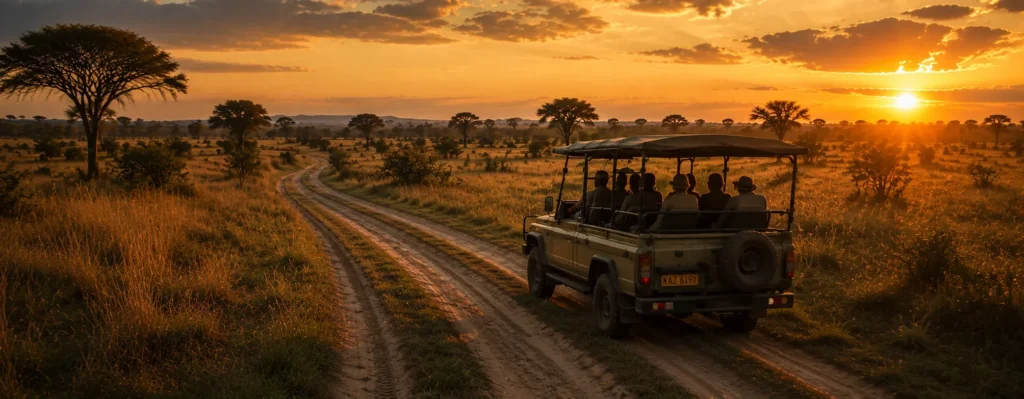
Why the Slow Safari Matters
Reconnection, Wilderness, and the Deeper Rhythm of Safari
Introduction to Why the Slow Safari Matters
Modern life rarely slows down.
We move from one screen to another, measuring our days by notifications, deadlines, and constant activity. Even when we travel, it often feels rushed. We collect destinations instead of truly experiencing them.
The African bush unsettles that rhythm almost immediately.
At first, the silence seems strange. Gradually, insect sounds take the place of traffic. Sunrise and sunset begin to shape each day. Time starts to feel spacious again.
A slow safari is more than just seeing wildlife. It is a chance to reconnect with nature and with ourselves by moving at a thoughtful, meaningful pace.
It is about learning to notice again.
When Stillness Feels Unfamiliar
The first days of a safari can feel strangely unsettling.
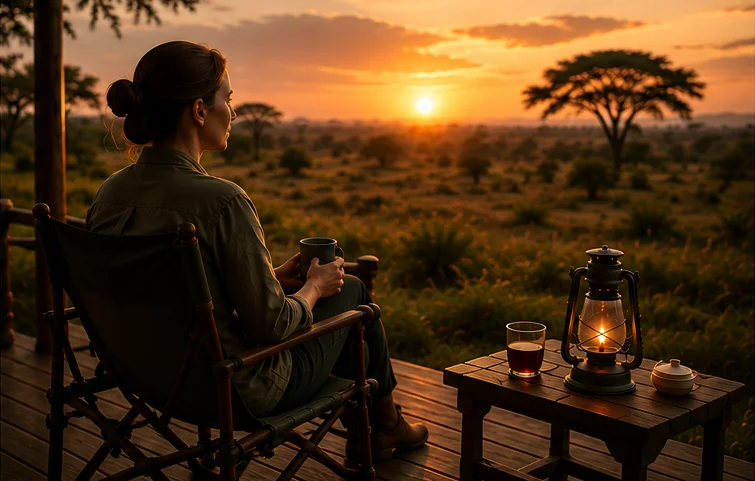
Many travellers arrive with more than just their bags. Minds used to constant stimulation do not settle right away. The silence of the bush can feel uncomfortable, especially during long stretches without conversation or entertainment.
Instinctively, many people reach for their phones, cameras, or distractions.
Yet slowly, the wilderness begins to recalibrate the senses.
Attention turns to birdsong, the movement of grass, changing light, animal tracks, and the rhythm of daylight. Patience comes back. We start to notice more. The urge to always be doing something fades.
What at first feels like emptiness often turns out to be one of the safari’s greatest gifts:
the rediscovery of stillness itself.
From Rush to Rhythm
The contrast between modern life and the African wilderness can feel surprisingly dramatic.
Cities teach us to hurry. We get used to multitasking, noise, traffic, and deadlines. We start valuing productivity, and stillness becomes strange.
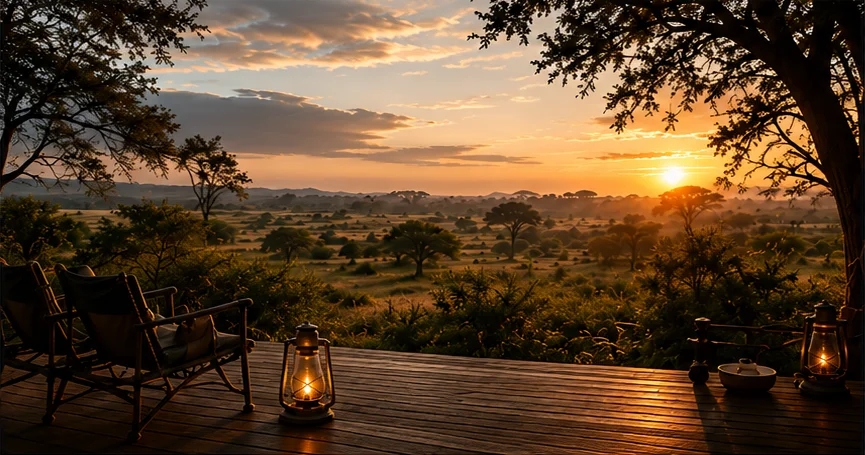
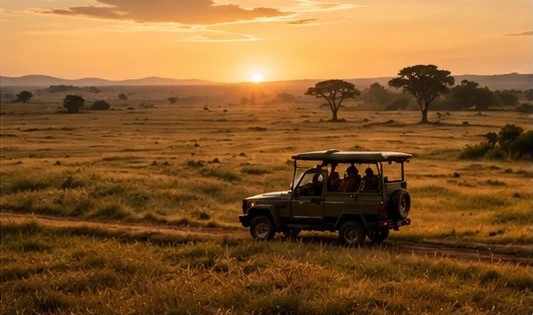
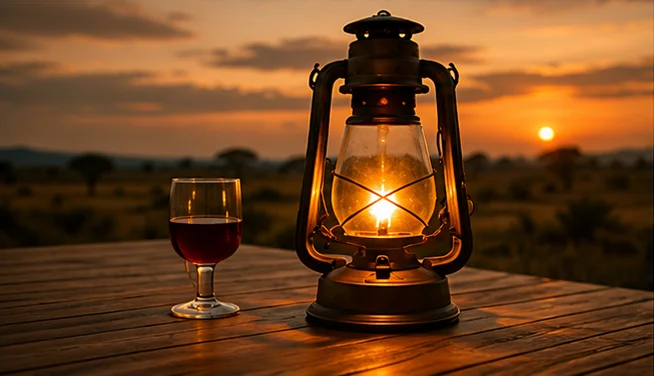
Safari operates differently. The bush moves to older rhythms. The day begins with sunrise. Animal movements guide the drives. Afternoons slow down under trees or by rivers. Evenings are quiet, lit by lanterns and distant sounds in the dark. dark.
Gradually, the body begins adjusting to these quieter patterns.
The slow Safari experience changes from rushing to see animals to simply being present in the landscape. The changing colours of the sky, the direction of the wind, and the sounds of wildlife become important again.
The wilderness teaches patience quietly.
Beyond the Checklist Safari
Many travellers unknowingly approach a safari with a checklist mentality.
The pressure to “see the Big Five” can turn the wilderness into a race. Vehicles speed from place to place, photos are taken quickly, and moments are used up instead of truly being felt.
A slow safari offers a different and more rewarding experience. It is built on being present and making connections, not on speed or ticking off a checklist.
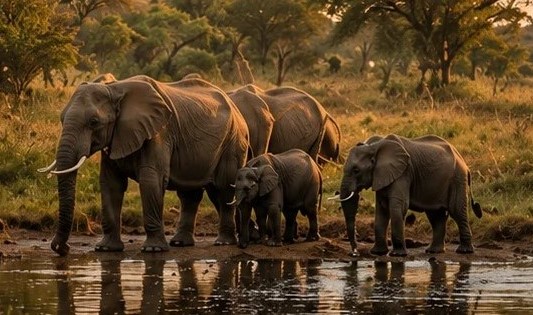
Instead of rushing, the slow safari invites travellers to observe behaviour and interaction. An elephant herd at a waterhole becomes more than a photograph. Gradually, personalities emerge — protective mothers, playful calves, subtle communication, shifting dynamics.
The experience deepens because time deepens it.
Safari becomes less about counting sightings and more about understanding how everything in the ecosystem is connected.
Observation replaces consumption.
Learning the Language of the Bush
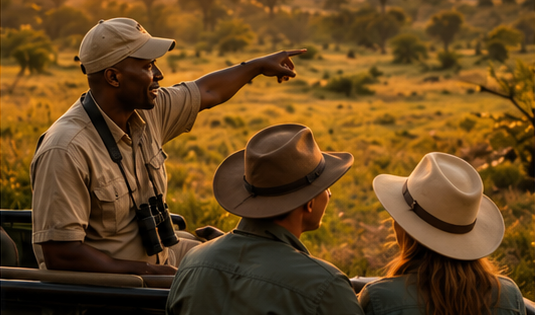
The finest safari guides do far more than locate wildlife.
They interpret the bush.
A broken branch, an alarm call, a fresh track, or a circling bird can tell a story that most guests would miss. Slowly, travellers start to notice these quiet signs for themselves. The Safari changes from just watching to truly paying attention.
This process changes the experience profoundly.
Guests start to understand not just where animals are, but also how they move, hunt, communicate, survive, and fit into the larger landscape. Seeing a lion is part of a bigger story about the ecosystem as a whole, not just a single moment.
The guide becomes mentor, teacher, and storyteller.
Through this relationship, the bush begins to reveal itself more deeply.

“The finest Safari experiences
are often the quietest ones “
The Human Side of Safari
A slow safari is also about human connection.
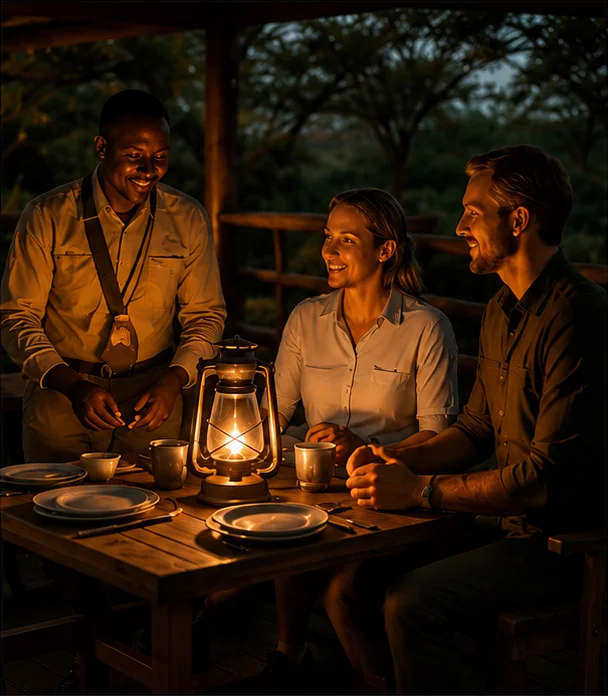
On rushed trips, lodge staff can seem almost invisible, with only quick greetings between activities. Slower travel changes this completely. Conversations grow naturally over several days, and familiar faces become part of your memories of the place.
Guides share stories about the land and its wildlife. Camp staff talk about local traditions, conservation challenges, weather, or what it’s like to grow up near the wilderness. These conversations help you understand more than just the tourist side of Safari.
Meaningful Safari experiences are rarely separated from the people who shape them.
Local involvement, respect for culture, and conservation partnerships create the special atmosphere of great Safari lodges. When communities benefit from conservation, the bond between people and the wild lasts.
Conservation Begins With Connection
Conservation is rarely sustained through statistics alone.
People protect what they emotionally connect with.
Slow safaris give you the time and space to build that connection. Travellers start to notice not just the wildlife, but also how fragile the ecosystem is, the challenges facing conservation, and why it matters to protect these wild places for the future.
The experience becomes personal.
Staying longer, getting more involved, and travelling thoughtfully help conservation more than rushing to see animals. Guests leave with a real understanding, not just photos.
Maybe this is one of the most important things about Safari today. It is not just about entertainment, but about slowing down, reconnecting, and finding our place in nature again.
Something Worth Carrying Home
A slow safari does not really end when you start your journey home.
Long afterwards, certain moments remain:
the stillness before sunrise,
elephants moving silently through dust,
a guide pausing beside tracks in the sand,
lantern light beneath distant stars,
and the gradual return of patience and attention.
These are not simply travel memories. They remind us that nature still has the power to slow us down, humble us, and reconnect us with deeper rhythms that we often forget in our busy lives.
Maybe that is why the slow Safari matters now more than ever. It gives us a way to slow down, reconnect, and find meaning beyond the rush of modern life.
Related Stories
CHOOSING A SAFARI LODGE
How to find the right fit for you
BEST TIME TO GO ON SAFARI
Know about the rain cycles.
SUSTAINABLE SAFARI TRAVEL
Making a positive impact
UNDERSTANDING SAFARI GUIDES
The heart of the experience