
SOUTH AFRICA: KWAZULU-NATAL
Maputaland Conservation History: 40 Years Later
The Maputaland Dream: Forty Years Later
Looking back on a Conservation vision that became reality.
Some places stay with us long after we leave them.
For me, Maputaland is one of those places.
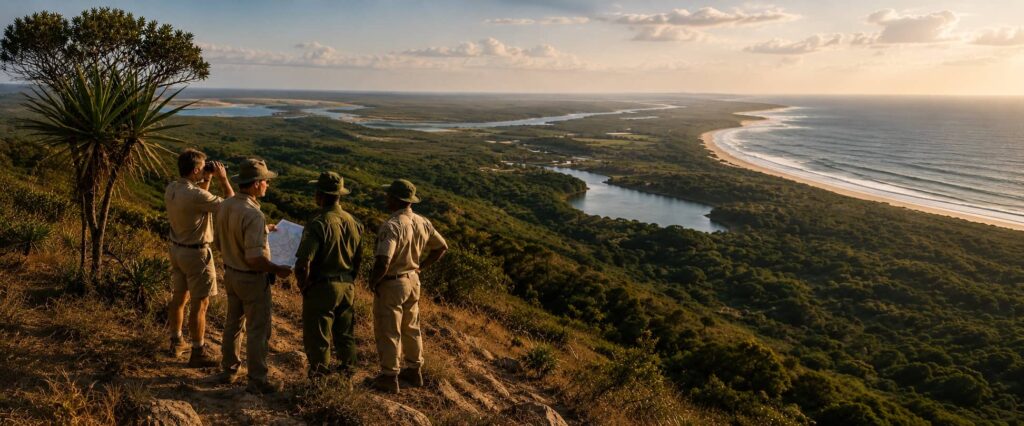
More than forty years ago, I worked in Zululand in the Department of Survey and Mapping, the practical arm of land affairs and public works within the regional administration of the time. It remains one of the most memorable periods of my working life.
As I went about my work, I had the chance to meet and work with some amazing people from the Bureau of Natural Resources.
Many had started as field rangers or Conservation officers, so they had a hands-on understanding of the land and the people who lived there. They knew the forests, lakes, wetlands, and coastal dunes of Maputaland, as well as the communities that called it home.
What impressed me most was their understanding of how people and the environment were connected.
Into the Field
We travelled down a path that led us into a remote and remarkable area. It was an incredible place, even then.
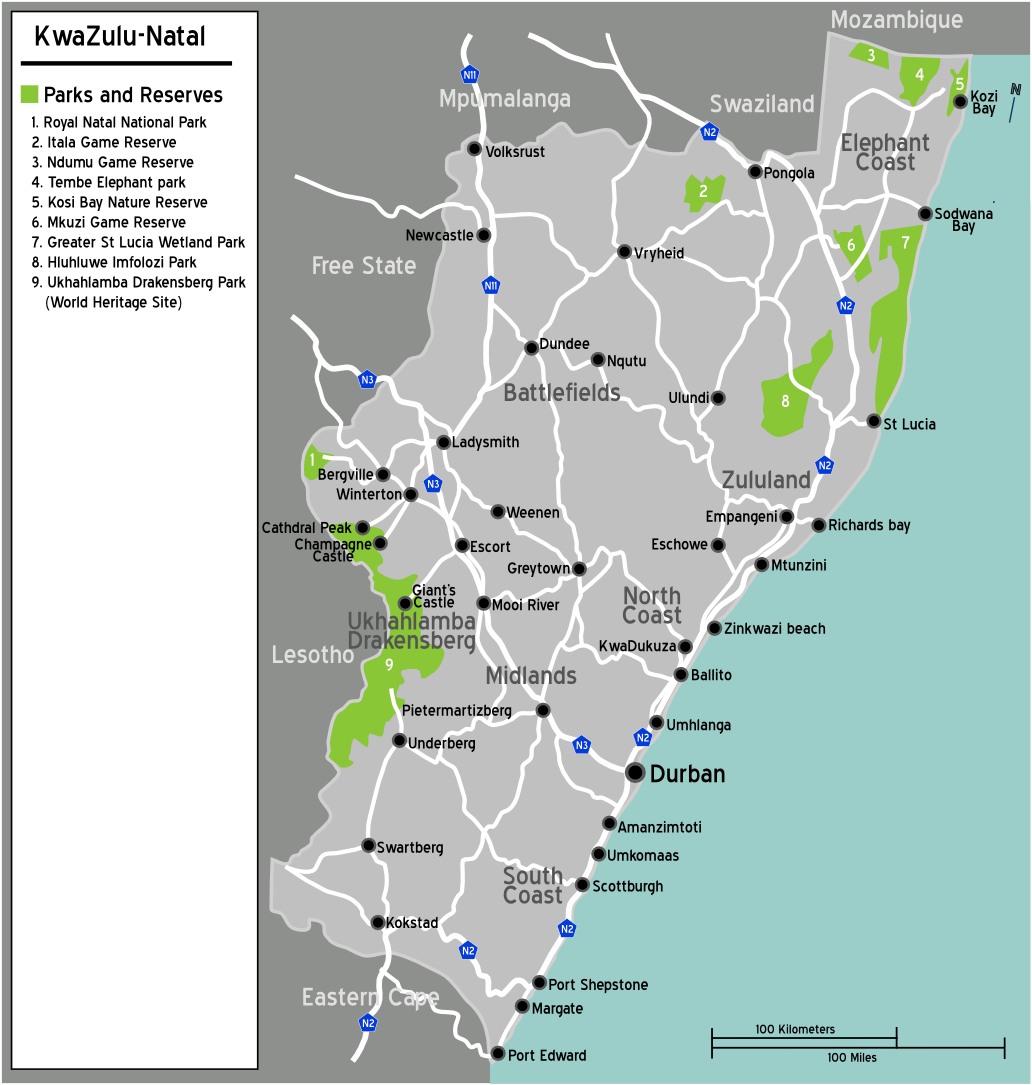
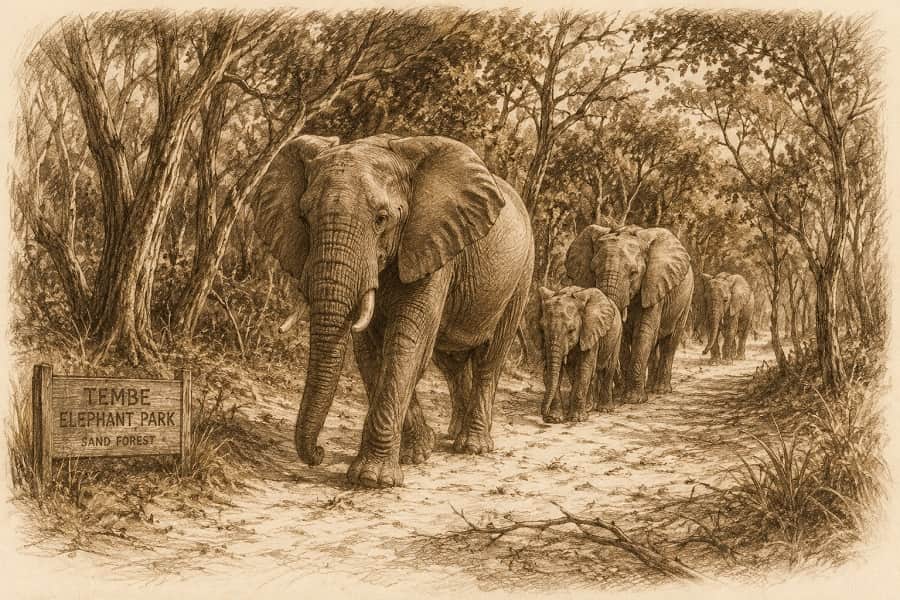
We visited Tembe Elephant Park, newly proclaimed and still in the final stages of fencing. We travelled through coastal areas beyond the Mabibi community towards Lake Sibaya. We explored forests, wetlands, and stretches of coastline that seemed untouched by time.
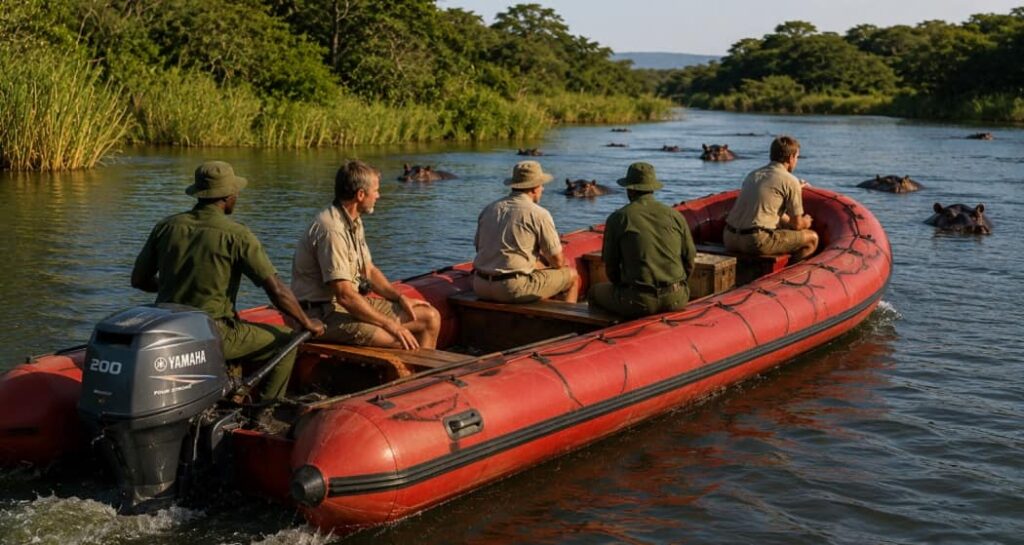
As we made our way across the five Kosi lakes by boat, we found ourselves surrounded by hippos and crocodiles, navigating one of Africa’s most incredible aquatic systems.
At each location, discussions took place and sites were assessed.
Possibilities were considered, and expert ecological input was taken into account. One such voice was a resident botanist-researcher, Mark, who considered the least disturbance to the surrounding ecology in a prospective siting.
It wasn’t just about finding pretty places. The goal was to work out how tourism, when done right, could help protect these areas and benefit the people who live there. By doing so, we could create a win-win situation where both the environment and local communities thrive. This approach would allow us to preserve the beauty of these landscapes for future generations while giving the people who call them home a chance to improve their lives.
Forty Years Later
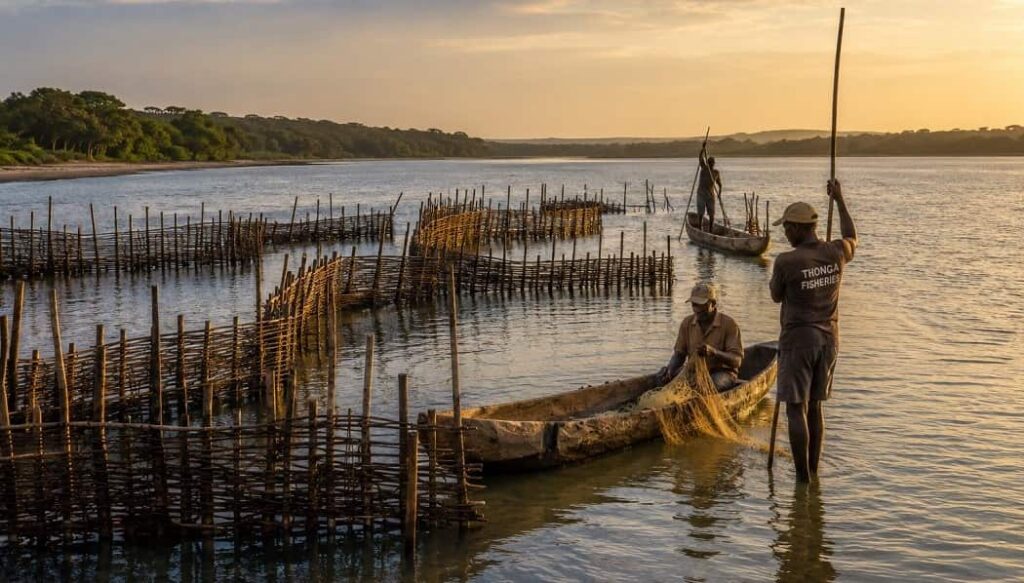
Today, when I look at places such as Thonga Beach Lodge, Kosi Forest Lodge, Tembe Elephant Park, and the wider protected landscapes of Maputaland, I see more than successful tourism destinations.
I see the fulfilment of a vision.
These places embody what many of us hoped for more than forty years ago.
A future in which Conservation and community partnership could work together.
A future in which local people could remain connected to their ancestral lands while benefiting directly from their protection.
A future in which Wilderness could survive not despite human involvement, but because local communities became active partners in its stewardship. That vision was neither simple nor guaranteed.
Despite the many challenges, a significant portion of it came to fruition.
Maputaland Conservation History: Final Reflection
Returning to these places decades later is profoundly moving.
The forests remain.
The lakes remain.
The wildlife remains.
Most importantly, many of the ideas that once existed only in conversations around maps, boats, campfires, and field inspections have taken root in the real world. I have great respect for the people who started it all, even more than for the places they helped create.
The rangers.
The Conservation officers.
The negotiators.
The community leaders.
The traditional authorities.
And all the others who may not appear in travel guides or tourist brochures but are equally vital.
Their dedication has been instrumental in one of South Africa’s most remarkable Conservation successes. My utmost respect goes to each of them.
Seeing the results after all these years is truly inspiring and a genuine privilege to witness firsthand.


Protected
Wildlife

Community Partnership

Sustainable
Tourism