
Jao Camp Review
Where Wilderness and design become one.
Jao Camp Review: Reflecting on Harmony in the Okavango Delta
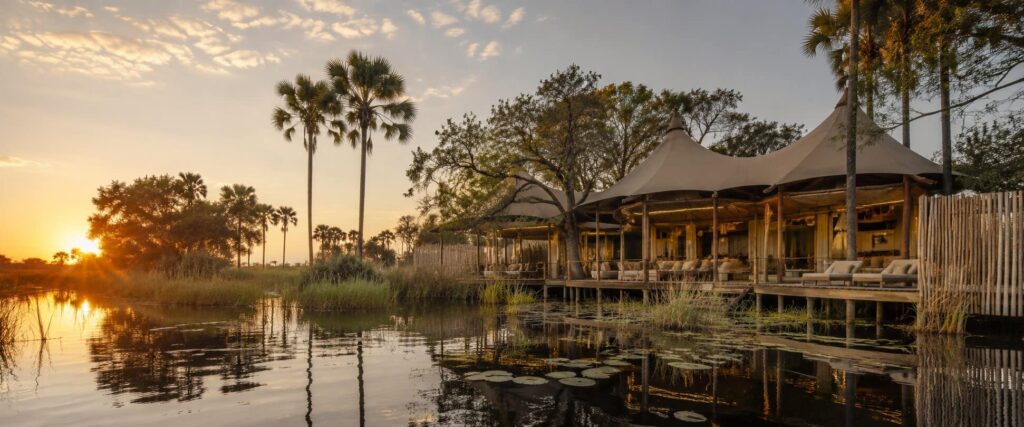
If Duba Plains invited us to reflect upon resilience, this Jao Camp Review encourages us to consider harmony. Here, architecture, Wilderness, water, and wildlife combine to create an experience that feels both sophisticated and deeply rooted in place.
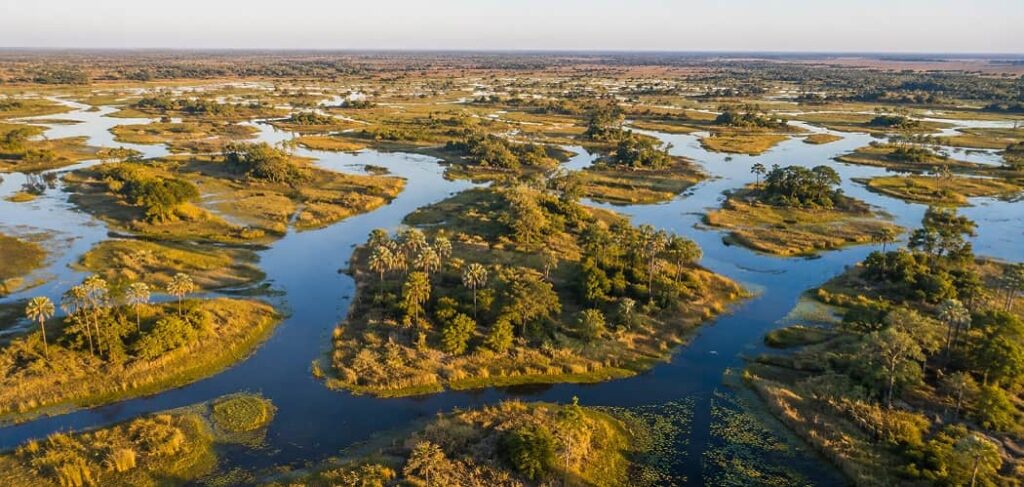
Situated within a private concession bordering Botswana’s Okavango Delta, Jao occupies a landscape of seasonal floodplains, islands, and winding waterways. The result is a Safari destination where every shift in water level alters the character of the surrounding Wilderness.
Through these reflections in the Jao Camp review, I explore whether Jao succeeds not only as a luxury Safari camp but as an example of how thoughtful design can deepen our connection to the natural world.
Quick OVERVIEW

FOREST
Wilderness, Luxury

LOCATION
Okavango Delta, Botswana
ATMOSPHERE
Quiet, Intimate, Immersive.

SAFARI RHYTHM
Reflective & Unhurried.
KNOWN FOR
Habitat diversity & Conservation

IDEAL STAY
3 – 5 Nights

The Setting
A Landscape Shaped by Water, Islands, and Light
Very few places in the world have the unique geography of Botswana’s Okavango Delta.
Most river systems eventually reach the sea, but the Okavango Delta is different. Each year, floodwaters from Angola spread out over northern Botswana, forming one of the world’s largest inland deltas and earning it UNESCO World Heritage status.
Around Jao, these waters form a constantly evolving landscape of:
- permanent channels,
- seasonal floodplains,
- reed beds,
- palm islands,
- lagoons,
- woodland habitats.
This creates an area with incredible ecological diversity.
One morning, you might see wide reflections on calm water. The next day, herds of antelope could be grazing on floodplains that had just appeared. Changing light, water, plants, and animal movements make every safari here feel fresh and alive.
What stood out to me was how fully the camp fits into its surroundings. Instead of trying to stand out, Jao is built to highlight the beauty around it. This idea is clear in the lodge’s design.
Every view seems to reflect the Delta’s ever-changing character.

Suites & Design
Architecture Inspired by the Delta Itself
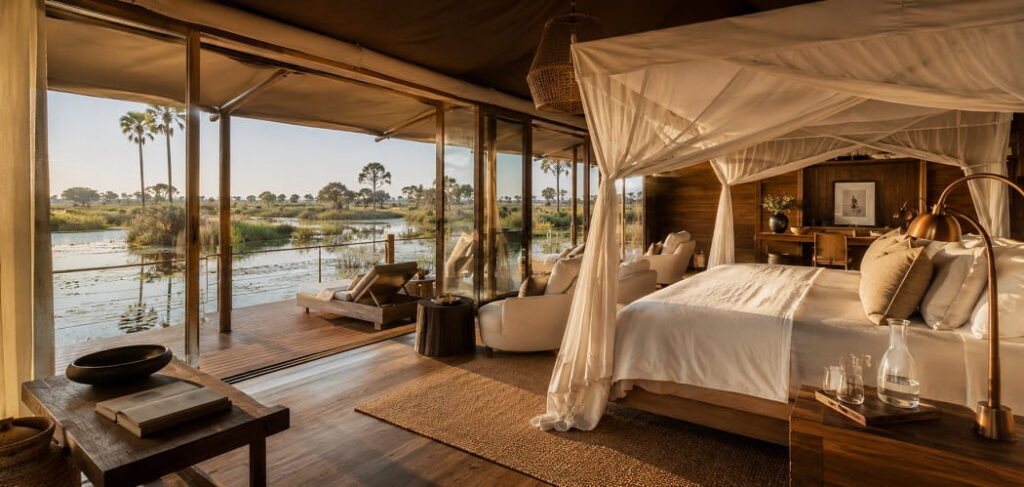
Many people consider Jao Camp one of Botswana’s most unique Safari lodges, thanks in large part to its architecture.
The design is based on a simple idea:
The camp should mirror the Delta, not overpower it.
Timber, canvas, glass, and other natural materials are used to create spaces that feel modern yet blend with the environment.
Large glass panels bring the outdoors inside.
Raised decks offer views of the waterways and floodplains.
Open areas let in plenty of natural light and fresh air.
Even with its modern design, the camp feels warm and genuine. It’s luxurious, but never cold or too formal. Finding this balance is not easy.
While many luxury safari lodges stand out because of their size or lavishness, Jao stands out for its careful design and harmony with nature. This focus on balance also influences the wildlife experience.
The result is accommodation that enhances rather than distracts from the Wilderness experience.
Wilderness Experience
Diversity Across Multiple Delta Habitats
At Jao Camp, the variety of habitats shapes the wildlife experience more than just the number of animals.
The area around Jao includes many different ecosystems, each home to its own mix of animals and plants.
Guests may encounter:
- elephant,
- lion,
- leopard,
- buffalo,
- red lechwe,
- tsessebe,
- giraffe,
- hippo,
- crocodile,
- numerous bird species.
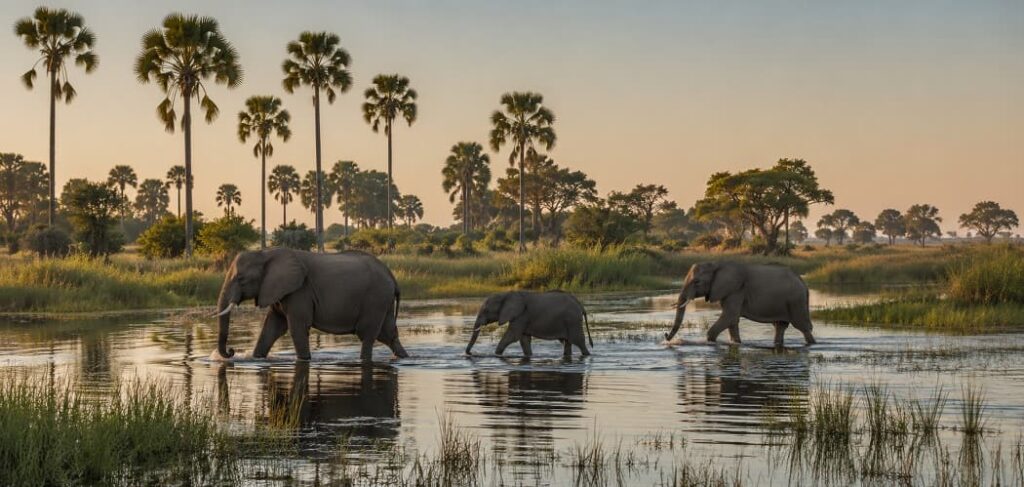
Elephants are often some of the most unforgettable animals you’ll see here.
Seeing a family of elephants move quietly through the shallow water shows something special about Botswana. The moment may be less dramatic than other wildlife scenes in Africa, but it often feels deeper and more meaningful. Bird enthusiasts will find it particularly rewarding.
The combination of permanent water, seasonal wetlands, and woodland habitats supports a rich variety of species, making the region one of Southern Africa’s premier birdwatching destinations.
Instead of focusing on just one famous animal, Jao encourages guests to appreciate the full complexity of the ecosystem. This broader perspective shapes the entire Safari experience.
Wildlife in the Delta reveals itself slowly, rewarding those who watch and wait.

Guiding & Safari Rhythm
Exploring the Delta by Land and Water
One of the best things about Jao Camp is the range of Safari activities you can enjoy all year.
Depending on seasonal water levels, guests may enjoy:
- traditional game drives,
- mokoro excursions,
- boating experiences,
- photographic opportunities,
- nature interpretation,
- birdwatching safaris.
Water sets the pace for each day here.
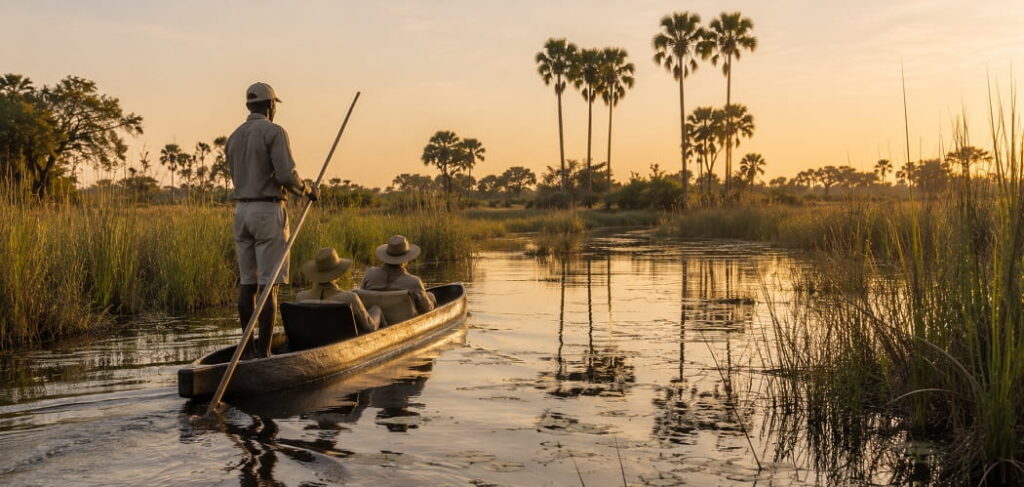
Travelling by mokoro through channels lined with papyrus gives you a view you can’t get from a vehicle. The journey is slower, quieter, and feels more personal. The focus shifts away from getting somewhere and toward noticing what’s around you.
Dragonflies hover above the water, and Kingfishers perch nearby.
The gentle sound of a mokoro pole replaces the engine noise of a vehicle.
These moments remind guests that a safari isn’t only about spotting big animals. It’s also about learning to see the landscape differently.
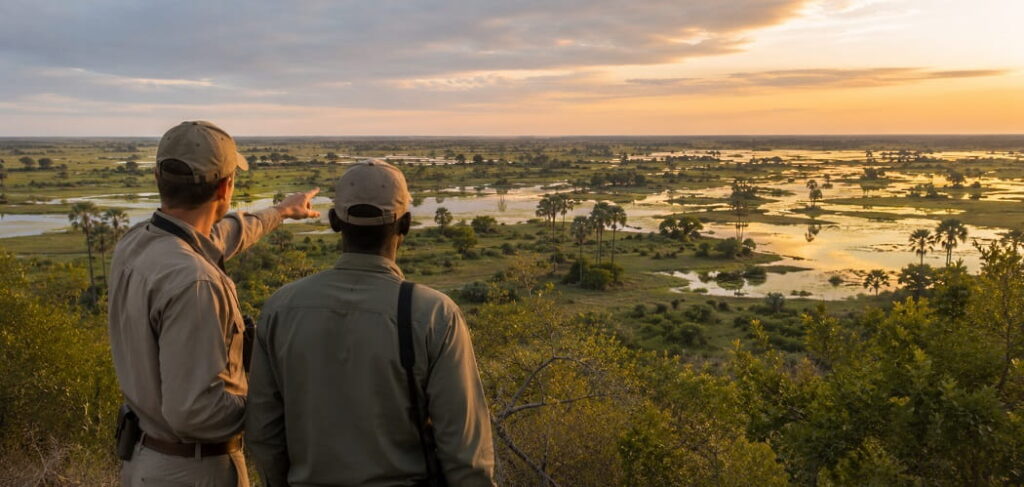
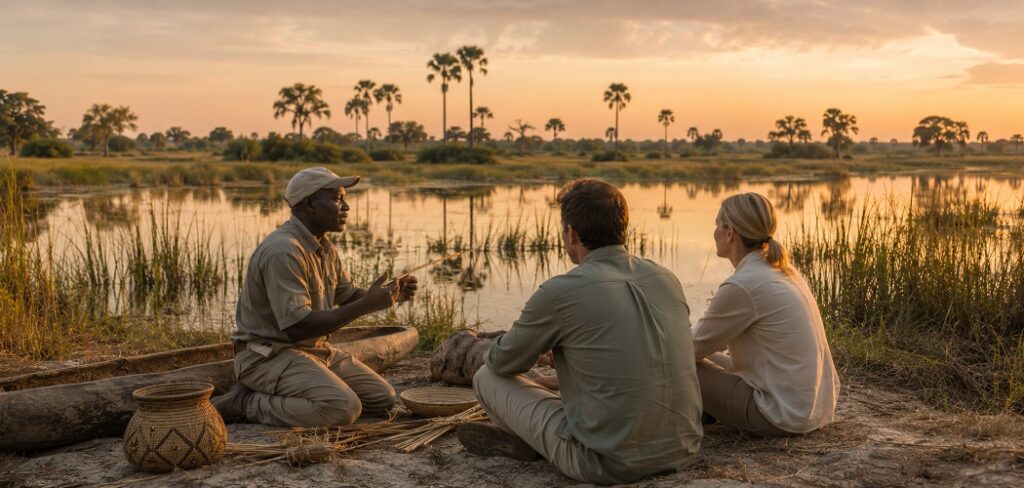
Local guides are key. They help guests notice animal tracks, behaviours, plants, seasonal changes, and how everything fits together in the Delta. Their knowledge also helps explain the area’s Conservation story.

Conservation & Legacy
Protecting the Delta Through People and Stewardship
Protecting the Okavango Delta’s future takes more than just caring for its wildlife.
People are just as important.
Botswana’s respected Conservation approach demonstrates that well-managed tourism can simultaneously help protect wild places and support local communities.
Jao Camp exists within this broader Conservation framework.
Safari tourism helps Conservation and local people by creating jobs, offering training, and involving communities. Building strong relationships is key.
When local communities benefit from protecting nature, they become partners in Conservation, not opponents. One of Africa’s most significant Conservation success stories is precisely because these relationships continue to evolve and strengthen.
Visitors may arrive seeking extraordinary wildlife encounters.
Many guests leave with a new respect for the people whose care and knowledge protect this special place. This human connection adds a cultural layer to the experience.

Cultural Authenticity
Experiencing Botswana Through Landscape and Tradition
Authenticity is not always found in staged cultural performances or carefully curated experiences.
Sometimes it emerges through a deeper understanding of place.
At Jao, that connection often develops through the guidance of local experts whose lives and careers are closely linked to the Delta.
Guests gain insight into:
- traditional mokoro travel,
- local ecological knowledge,
- seasonal flooding cycles,
- wildlife behaviour,
- Conservation challenges,
- Botswana’s relationship with its wilderness heritage.
These perspectives enrich the safari experience by placing wildlife encounters within a broader cultural and environmental context.
The result is not simply a holiday, but an opportunity to understand why Botswana’s Conservation story continues to inspire admiration throughout Africa and beyond.

Final Reflection
Where Wilderness and Design Become One
Jao Camp succeeds because it understands something fundamental about the Okavango Delta.
The landscape itself is the star.
The architecture acknowledges it.
The guide reveals it.
The wildlife inhabits it.
The conservation efforts protect it.
Rather than competing for attention, these elements work together in harmony.
That harmony becomes the defining memory.
Long after individual wildlife sightings begin to fade, visitors may remember something quieter:
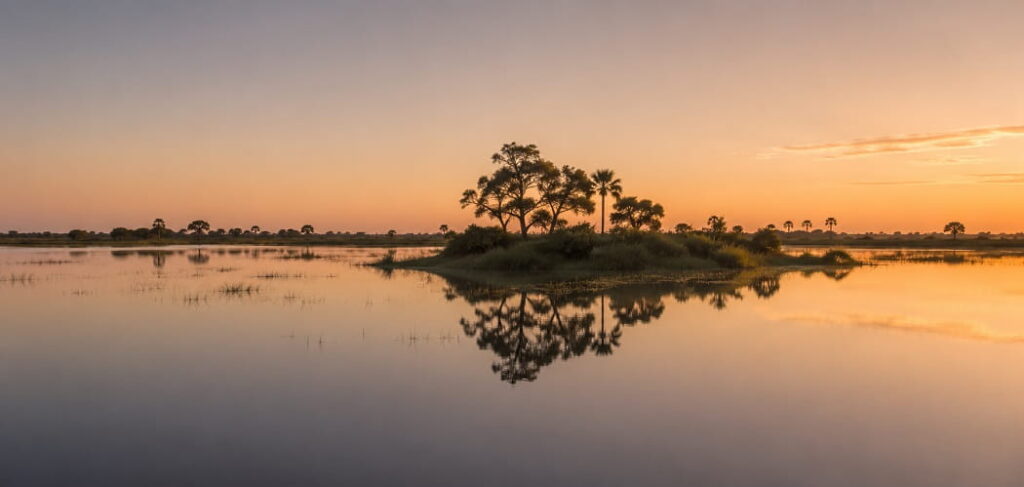
The reflection of palms upon still water.
The movement of a mokoro through a narrow channel.
The changing light across a Delta island at sunset.
Moments when wilderness and design become one.
Africa Lodge Guide Perspective
WILDERNESS
SETTING
A landscape of islands, floodplains, and winding waterways, Jao showcases the remarkable ecological diversity of the Okavango Delta. Here, seasonal water levels continually reshape the Wilderness, ensuring that no two visits are ever quite the same.
WILDLIFE
EXPERIENCE
Wildlife viewing is shaped by habitat diversity rather than sheer density. From elephants and red lechwe to predators and prolific birdlife, Jao Camp rewards patient observation across multiple Delta ecosystems.
LODGE
CHARACTER
Jao’s architecture is among the most distinctive in Botswana. Contemporary yet deeply connected to its surroundings, the camp demonstrates how thoughtful design can enhance rather than compete with nature.
GUIDING & SAFARI RHYTHM
Whether exploring by vehicle, mokoro, or boat, guests experience the Delta from a variety of perspectives. The emphasis is on immersion, interpretation, and understanding the rhythms of the landscape.
CONSERVATION & LEGACY
Jao exists within a Conservation model that recognises the importance of both environmental stewardship and local participation. The protection of the Delta depends upon healthy relationships between wildlife, tourism, and communities.
CULTURAL
AUTHENTICITY
Authenticity is found not in performance, but in understanding. Through local knowledge, guiding, and meaningful interaction with the landscape, guests gain a deeper appreciation of Botswana’s people and Wilderness heritage.
A Note From the Curator
Some Safari camps are remembered for a particular animal.
Others prefer a dramatic landscape.
Jao Camp is remembered for a feeling that lingers long after you leave.
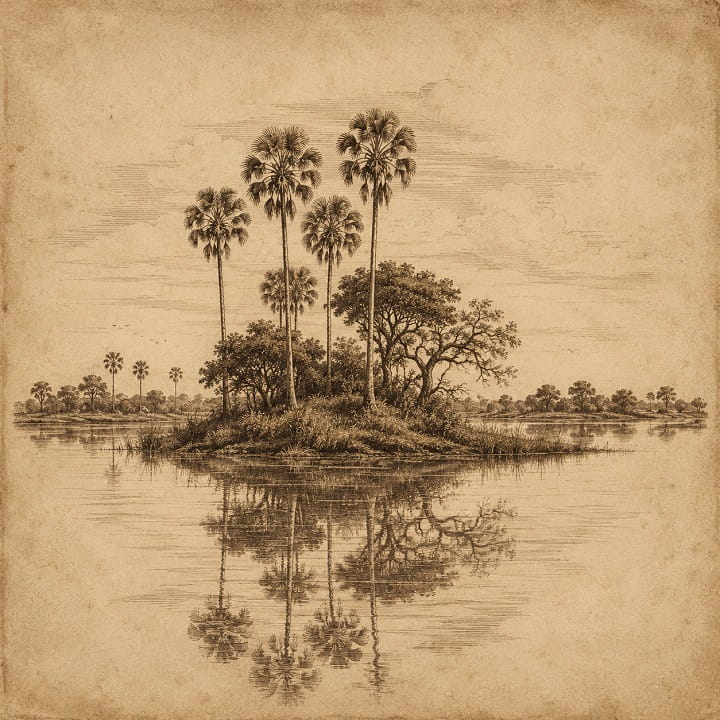
Here, water sets the pace of life. Islands appear and vanish with the seasons. The buildings seem to grow naturally from the Delta, fitting in without taking over or fading away.
The Safari experience here is all about balance, not just big, showy moments.
In a world that often feels rushed and noisy, Jao Camp gives you something rare: a chance to slow down, look closely, and find quiet harmony between people, nature, and place.
It reminds us that Africa’s greatest luxury might not be comfort, but real connection.
If you have enjoyed this independent Jao Camp review, I invite you to explore our other Safari lodge reviews, destination guides, and articles on meaningful African Safari experiences. Together they form part of an ongoing exploration of Africa’s remarkable landscapes, wildlife, and Conservation stories.
Until the next journey,
The Curator.